
Stainless Steel Pipe Fittings
Introduction
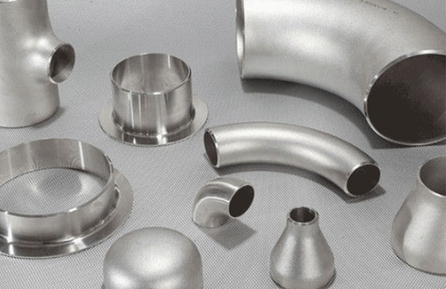
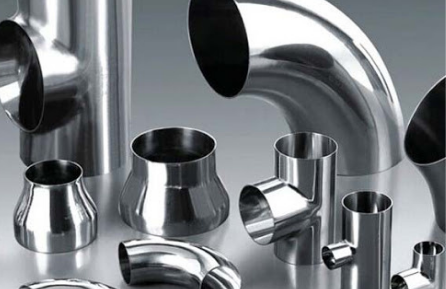
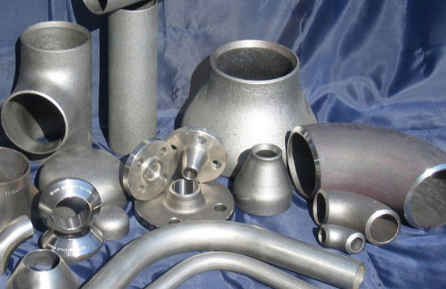
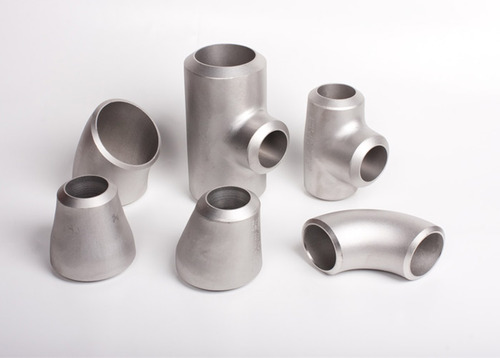
Stainless Steel Pipe Fittings, SS Buttweld Pipe Fittings, Stainless Steel 45 Degree Elbow, Stainless Steel Elbow, Tee, Reducer, Cap, Stub End, 90 Degree Elbow, Cross, Long Radius Elbow, Short Radius Elbow, Stainless Steel 1D, 3D, 5D & 10D Pipe Bend Supplier, ASME B16.9 Stainless Steel Butt Weld Pipe Fittings, 180 Degree Return Bend, Pipe Bend Supplier & Manufacturer in Mumbai, India, ANSI B16.9 SS Elbow, Tee, Reducer, Cap, Cross, Stub End & Pipe Bend Manufacturer in India, Stainless Steel Pipe Reducer Manufacturer & Exporter in Mumbai.
Stainless Steel Seamless Pipe Fittings, Welded Butt Weld Fittings, ASTM A403 Stainless Steel Pipe Fittings, ASME SA403 Butt Weld Fittings, Fabricated Pipe Bends, SS Elbows, Tees, Reducers, Tees, Reducers, Caps, Stub Ends & Crosses Supplier in Mumbai, Stainless Steel Pipe End Cap, Butt Weld Cap, Stainless Steel Stub End, Long Stub End, Short Stub End, Type A Stub End, Type B Stub End, Stainless Steel Pipe Fittings Supplier in India, Caps & Stub Ends Manufacturer in India
Stainless Steel Pipe Fittings Exporter in India, Manufacturer & Exporter — 45° & 90° Elbows, SS Butt Weld Elbow, Tee, Reducer, Cap, Stub End, 180° Returns, 1D–10D Bends, Equal & Reducing Tees, Concentric & Eccentric Reducers, Caps, Crosses & Stub Ends, Cross & Pipe Bend Supplier for Global Industrial Projects, Eccentric Reducer, Equal Tee, Reducing Tee, Stainless Steel Cross, Butt Weld Tee Stainless Steel Concentric Reducer, Stainless Steel Butt Weld Pipe Fittings Supplier
Newzel Industries is a Manufacturer of Stainless Steel 304, 304L, 304H, 310, 310S, 310H, 316, 316L, 316H, 316Ti, 317, 317L, 321, 321H, 347, 347H, 904L, Pipe Fittings Manufacturer, Our Product includes various other specifications in a variety of sizes, Our success has been primarily attributed to our experience in the steel industry, a sharp emphasis on client needs, market understanding, a variety of goods, and current technology, Newzel Industries manufactures and supplies stainless steel pipe fittings for critical service applications such as oil refineries, power plants, water treatment, LNG systems, and maritime installations. Every fitting is precision-formed for leak-free couplings and rated to withstand prolonged pressure, vibration, and heat cycling.





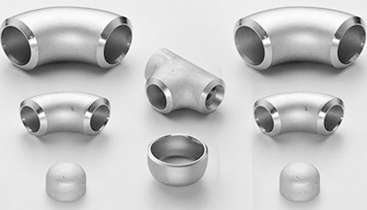
What Are Stainless Steel Pipe Fittings?
Stainless steel pipe fittings are precision components designed to join, divert, branch, or end the flow of a piping system. Elbows change the flow direction, reducers change the pipe diameter, tees create branch connections, and couplings connect two parts of the pipe system, all of which ensure the system’s integrity in corrosive environments where carbon steel would fail.
Buttweld fittings (elbows, tees, reducers, and caps), forged/socket weld fittings, threaded fittings, and compression fittings are the four main types of stainless steel pipe fittings based on their connecting methods.
Both varieties are best suited to certain pressure ratings and installations; see our separate pages for Stainless Steel Buttweld Fittings, Stainless Steel Forged Fittings, and grade-specific.
Our stainless steel tube fittings are available in SS 304, 304L, 316, 316L, 310, 321, 321H, 347, 904L, and all standard grades, providing a very strong connection that is sanitary, corrosion-resistant, and can handle extreme pressures and temperatures. Applications include chemical facilities, food processing, pharmaceuticals, maritime, power generation, and cryogenic systems.
Product Specifications: Stainless Steel Pipe Fittings
Full specification range for all ss fittings supplied by Newzel Industries.
|
Feature |
Details |
|
Product Type |
Stainless Steel Pipe Fittings |
|
Grades Available |
SS 304, 304L, 316, 316L, 310, 321, 321H, 347, 347H, 904L, 317L, 310S, and others |
|
Size Range |
½″ NB to 48″ NB |
|
Pressure Ratings |
Class 150 to Class 2500 |
|
Wall Thickness / Schedule |
SCH 5S, 10S, 40S, 80S, 160, XXS |
|
End Connections |
Threaded (NPT/BSP), Socket Weld, Buttweld, Flanged, Plain End |
|
Surface Finish |
Pickled, Passivated, Polished (Ra 0.8 to Ra 3.2) |
|
Standards Met |
ASME B16.9, B16.11, B16.28 · ASTM A182/A403 · MSS SP-43/83/97 · DIN 2605/2615 · BS 3799 · EN 10253 |
|
Testing Conducted |
Hydrotest, PMI, NDT (RT/UT), IGC, Hardness, Visual & Dimensional Inspections |
|
Weight Range |
Available on request per fitting type and schedule |
|
Documentation |
EN 10204 3.1 MTC standard; 3.2 (TPI-witnessed) on request |
Quality Certifications & Standards of Stainless Steel Fittings
Every steel fitting is manufactured and tested to internationally recognised quality standards.
| Certification / Standard | Assurance Provided |
| ASME B16.9 / B16.11 | Dimensional accuracy, tolerances, and pressure ratings for buttweld and forged fittings |
| ASTM A182 / A403 | Material grade, chemical composition, mechanical properties, and heat treatment for forged and wrought fittings |
| ISO 9001:2015 | Certified quality management system — covers design, manufacture, testing, and dispatch |
| PED 2014/68/EU | Approved for use in EU pressure equipment applications |
| NACE MR0175 / ISO 15156 | Corrosion-resistant grades qualified for sour service (H₂S-containing) environments |
| IBR (Indian Boiler Regulations) | IBR-certified fittings available for Indian power and process plant projects — mandatory for boiler and pressure vessel piping |
| EN 10204 3.1 / 3.2 | Mill test certificates standard with all deliveries; 3.2 (TPI-witnessed by BV, DNV, SGS, Lloyds, Intertek) on request |
Stainless Steel Composition (Typical for SS 304 / 316)
| Element | Typical % | Function |
| Carbon (C) | ≤ 0.08 | Improves weldability |
| Chromium (Cr) | 18–20 | Enhances corrosion resistance |
| Nickel (Ni) | 8–14 | Adds toughness and flexibility |
| Molybdenum (Mo) | 0–3.0 | Boosts pitting resistance (key in 316) |
| Iron (Fe) | Balance | Base structure for strength |
Mechanical Properties Of Stainless Steel Fittings
| Property | Value | Benefit |
| Tensile Strength | 485–620 MPa | Resists pulling and stretching |
| Yield Strength | ≥ 205 MPa | Maintains shape under pressure |
| Elongation | ≥ 30% | Flexibility under load |
| Hardness | ≤ 200 HB | Durable without brittleness |
| Temperature Range | −196°C to +870°C | Extreme heat and cold service |
Note: Values above are indicative for SS 304/316. Grade-specific mechanical and chemical data sheets for 316L, 321, 321H, 347, 904L, and duplex grades are available on request.
Applicable Standards for SS Pipe Fittings
All Newzel Industries fittings are manufactured and tested to internationally recognized standards.
| Standard | Applies To | Scope |
| ASTM A182 / ASME SA182 | Forged Fittings (SW, Threaded) | Material grades, mechanical properties, chemical composition for forged products |
| ASTM A403 / ASME SA403 | Buttweld Fittings | Wrought austenitic SS piping fittings — grades, testing, heat treatment |
| ASME B16.9 | Buttweld Fittings | Factory-made wrought buttwelding fittings — dimensions, tolerances, pressure ratings |
| ASME B16.11 | Forged Fittings (SW, Threaded) | Ratings, dimensions, tolerances, marking for socket weld & threaded fittings |
| ASME B16.28 | Short Radius Elbows & Returns | Wrought steel short radius elbow and return bends |
| MSS SP-43 | Buttweld Fittings (Low Pressure) | Wrought & fabricated butt-welding fittings for low pressure, corrosion-resistant applications |
| MSS SP-83 | Socket Weld Unions | Class 3000 and 6000 pipe unions, SW and threaded |
| MSS SP-97 | Olet Fittings | Integrally reinforced forged branch outlet fittings — weldolet, sockolet, threadolet |
| BS 3799 | Forged Fittings | Steel pipe fittings, screwed and socket-welding for petroleum industry |
| DIN 2605 / 2615 / 2616 | Buttweld Fittings | European standard for buttweld elbows, tees, and reducers |
Your Trusted Stainless Steel Pipe Fittings Manufacturer & Exporter in India
For almost more than decades, Newzel Industries has been a reliable supplier of stainless steel pipe fittings to EPC contractors, MRO purchasers, and project procurement teams in India and around the world. We keep a comprehensive stock of SS 304 and SS 316 pipe fittings, as well as all other grades, and we offer bespoke fabrication based on client designs and specifications.
As one of India’s top manufacturers of stainless steel fittings, our Mumbai factory houses the entire production chain — forging, machining, testing, and dispatch — under one roof. Without intermediaries, prices are set directly by the factory.
BV, DNV, SGS, and Lloyds offer third-party inspection services. For urgent orders, we provide quick shipping within 2-3 working days on regular stocked items. All fittings are packaged in hardwood corrugated boxes with plastic and bubble wrap protection; end caps are added to pipe ends upon request. Every consignment comes with full documentation, including an MTC, COC, IBR certificate, and PMI report. We supply to over 40 countries in Asia, the Middle East, Europe, and the Americas.
Our Products
Frequently Asked Questions
1. What are stainless steel pipe fittings?
Stainless steel pipe fittings are components used to connect, redirect, branch, reduce or terminate piping systems. Common fittings include elbows, tees, reducers, caps, crosses, stub ends and return bends. Stainless steel fittings are widely used where corrosion resistance, durability, hygiene and reliable performance are required.
2. What types of stainless steel pipe fittings does Newzel Industries supply?
Newzel Industries supplies a range of stainless steel pipe fittings including 45° and 90° elbows, long radius and short radius elbows, equal and reducing tees, concentric and eccentric reducers, caps, crosses, stub ends, 180° return bends and fabricated pipe bends. Availability depends on the required grade, dimensions, standard and quantity.
3. What is a stainless steel butt weld pipe fitting?
A stainless steel butt weld fitting is connected to the pipe by welding the prepared ends of the fitting and pipe together. Butt weld fittings provide a continuous welded connection and are commonly used in process, chemical, petrochemical, power and other industrial piping systems.
4. What is ASME B16.9?
ASME B16.9 is the dimensional standard for factory-made wrought butt-welding fittings. It covers fittings such as elbows, tees, reducers, caps and other butt-welding configurations, including dimensions, tolerances and related requirements.
5. What is ASTM A403 for stainless steel pipe fittings?
ASTM A403 covers wrought austenitic stainless steel piping fittings intended for pressure applications. It specifies requirements relating to material, manufacturing, heat treatment, chemical composition and mechanical properties for applicable grades.
6. What is the difference between ASTM A403 and ASME B16.9?
ASTM A403 primarily addresses the material and manufacturing requirements for wrought austenitic stainless steel fittings, while ASME B16.9 establishes dimensional and related requirements for factory-made wrought butt-welding fittings. A fitting may therefore be specified using both a material specification and a dimensional standard.
7. What stainless steel grades are available for pipe fittings?
Common stainless steel fitting grades include 304, 304L, 304H, 310, 310S, 310H, 316, 316L, 316H, 316Ti, 317, 317L, 321, 321H, 347, 347H and 904L. The appropriate grade depends on the application, corrosion environment, temperature, pressure and project specification.
8. What is the difference between SS 304 and SS 316 pipe fittings?
SS 304 is a widely used austenitic stainless steel for general corrosion-resistant applications. SS 316 contains molybdenum, which generally provides improved resistance to chloride-related pitting and certain corrosive environments. The correct grade should be selected according to the service conditions and applicable engineering specification.
9. What are SS 304L and SS 316L fittings?
304L and 316L are low-carbon versions of 304 and 316 stainless steel. Their lower carbon content can be advantageous for welded applications because it reduces the risk of sensitisation associated with welding under applicable conditions.
10. What is a stainless steel 90 degree elbow?
A stainless steel 90° elbow changes the direction of a piping run by approximately 90 degrees. It is commonly used where the pipe route needs to turn at a right angle.
11. What is a stainless steel 45 degree elbow?
A stainless steel 45° elbow changes the direction of a piping system by approximately 45 degrees. It is used where a more gradual directional change is required compared with a 90° elbow.
12. What is the difference between a long radius and short radius elbow?
The main difference is the centreline radius. A long-radius elbow has a larger radius and generally provides a smoother change in flow direction, while a short-radius elbow has a smaller radius and is used where space is restricted or where the applicable piping design permits it.
13. What is a stainless steel reducing tee?
A reducing tee is a branch fitting in which the branch connection is smaller than the main run. It allows a smaller pipe or branch line to connect to a larger pipe.
14. What is the difference between an equal tee and a reducing tee?
An equal tee has the same nominal size at the run and branch connections. A reducing tee has a smaller branch connection than the main run.
15. What is a stainless steel concentric reducer?
A concentric reducer connects two pipes of different nominal sizes while maintaining a common centreline. It is commonly used where maintaining concentric alignment is appropriate for the piping arrangement.
16. What is a stainless steel eccentric reducer?
An eccentric reducer connects pipes of different sizes while keeping one side of the reducer aligned. This configuration can be useful in applications where maintaining a flat pipe elevation or managing liquid flow conditions is important.
17. What is a stainless steel pipe cap?
A stainless steel pipe cap is used to close or terminate the end of a pipe. Butt weld caps are commonly used in permanent welded piping systems.
18. What is a stainless steel stub end?
A stainless steel stub end is a fitting used with a lap joint flange arrangement. It provides the welded connection to the pipe while allowing the backing flange to rotate during assembly.
19. What are Type A and Type B stub ends?
Type A and Type B refer to different stub-end configurations. The correct type depends on the applicable dimensional standard, flange arrangement, pipe specification and project requirements. The purchaser should specify the required type when ordering.
20. What is a stainless steel 180 degree return bend?
A 180° return bend changes the direction of the piping system by 180 degrees, effectively returning the flow path in the opposite direction. Return bends are available in configurations such as long-radius and short-radius designs depending on the applicable specification.
21. What are 1D, 3D, 5D and 10D pipe bends?
The terms 1D, 3D, 5D and 10D generally describe the bend radius relative to the nominal pipe diameter, with the exact dimensional definition depending on the applicable specification and fabrication requirements. Larger-radius bends can provide a more gradual change in direction.
22. What is the difference between a pipe bend and an elbow?
An elbow is generally a standardized fitting manufactured to a defined geometry and dimensional standard. A pipe bend can be fabricated to a specified radius and angle, including large-radius configurations such as 3D, 5D and 10D bends.
23. Are stainless steel pipe fittings available in seamless and welded construction?
Stainless steel fittings may be available in seamless, welded or fabricated construction, depending on the fitting type, size, material specification and manufacturer capability. The construction should be specified according to the project requirement.
24. What sizes of stainless steel pipe fittings does Newzel Industries supply?
Newzel Industries can supply stainless steel pipe fittings according to the required nominal pipe size, outside diameter, wall thickness/schedule and applicable standard. The available range should be confirmed for the specific fitting, grade and quantity required.
25. What schedules are available for stainless steel pipe fittings?
Depending on the fitting, grade and specification, stainless steel fittings can be supplied in different wall-thickness schedules. Requirements may include 5S, 10S, 40S, 80S, 160 and XXS, where applicable.
26. What standards are used for stainless steel pipe fittings?
Depending on the product, commonly referenced standards include ASTM A403 / ASME SA403, ASTM A182 / ASME SA182, ASME B16.9, ASME B16.11, ASME B16.28 and MSS standards. The applicable standard depends on the fitting type and connection method.
27. What is ASME B16.11?
ASME B16.11 covers forged fittings, including socket-welding and threaded fittings, with requirements for dimensions, tolerances, ratings, marking and related characteristics.
28. What is ASME B16.28?
ASME B16.28 covers wrought steel butt-welding short-radius elbows and returns.
29. What tests can be performed on stainless steel pipe fittings?
Depending on the product specification and purchase order, testing and inspection may include visual inspection, dimensional inspection, PMI, hardness testing, radiographic testing, ultrasonic testing, hydrostatic testing and intergranular corrosion testing.
30. Do stainless steel pipe fittings come with an MTC?
Material Test Certificates can be supplied when specified in the purchase order. An MTC may provide information such as material grade, chemical composition, mechanical properties, heat number and applicable specification.
31. What is an EN 10204 3.1 certificate?
EN 10204 Type 3.1 is a material inspection certificate in which the manufacturer provides test results demonstrating conformity with the applicable order requirements. If Newzel offers 3.1 documentation, specify it clearly in the quotation and order documentation.
32. Can third-party inspection be arranged for stainless steel fittings?
Third-party inspection can be arranged where required by the customer or project specification, subject to availability and agreed inspection scope. The inspection agency should be confirmed before order placement.
33. Where are stainless steel pipe fittings used?
Stainless steel pipe fittings are used in industries including chemical processing, petrochemical, oil and gas, power generation, water treatment, pharmaceutical, food processing, LNG, marine and other process industries where corrosion resistance and reliable piping connections are required.
34. Why are stainless steel fittings used in chemical processing?
Stainless steel is widely selected for chemical-processing piping because certain stainless steel grades offer good resistance to corrosion and oxidation. The appropriate grade must be selected based on the specific chemicals, concentration, temperature, pressure and operating environment.
35. Are stainless steel pipe fittings suitable for high-temperature applications?
Certain stainless steel grades are designed for elevated-temperature service, but suitability depends on the grade, temperature, pressure, service medium, fabrication condition and applicable engineering code. Grades such as 310-series, 321 and 347 may be considered for specific elevated-temperature applications, subject to engineering requirements.
35. Are stainless steel pipe fittings suitable for high-temperature applications?
Certain stainless steel grades are designed for elevated-temperature service, but suitability depends on the grade, temperature, pressure, service medium, fabrication condition and applicable engineering code. Grades such as 310-series, 321 and 347 may be considered for specific elevated-temperature applications, subject to engineering requirements.
36. Are stainless steel pipe fittings suitable for cryogenic applications?
Some stainless steel grades can be used in cryogenic service because of their low-temperature properties. However, the fitting grade, toughness requirements, fabrication procedure and applicable design code must be evaluated for the specific cryogenic application.
37. What is the difference between stainless steel pipe fittings and carbon steel fittings?
Stainless steel fittings generally provide better corrosion resistance than ordinary carbon steel fittings, particularly in many corrosive environments. Carbon steel can offer advantages in cost and strength for suitable applications. Material selection should be based on the service environment, temperature, pressure and project requirements.
38. Can Newzel Industries manufacture custom stainless steel pipe fittings?
Custom or fabricated fittings can be supplied where the required dimensions, material grade, radius, angle, wall thickness and applicable standard are provided. Custom requirements should be reviewed by the technical team before confirmation.
39. Can stainless steel pipe fittings be supplied for international projects?
Newzel Industries can supply products for domestic or international procurement requirements subject to its actual export capability, documentation requirements, destination regulations and agreed commercial terms.
40. How do I choose the right stainless steel pipe fitting?
Selection should consider:
- Pipe size
- Schedule/wall thickness
- Stainless steel grade
- Fitting type
- Connection method
- Pressure
- Temperature
- Corrosive environment
- Applicable standard
- Testing requirements
- Documentation
- Quantity
For critical applications, the fitting should be selected according to the project’s approved piping specification and engineering requirements.
41. How do I request a quotation for stainless steel pipe fittings?
To request a quotation, provide the fitting type, size, grade, schedule/wall thickness, quantity, applicable standard, connection type, testing requirements and delivery location. Newzel Industries can then review the requirement and provide availability and commercial details.
42. What information should I provide when ordering stainless steel pipe fittings?
Provide the fitting name, nominal size, grade, schedule, quantity, standard, end connection, construction type, inspection requirements and delivery location.
43. Can stainless steel fittings be supplied according to ASME B16.9?
Yes, where applicable to the fitting type and product specification. ASME B16.9 is primarily used for factory-made wrought butt-welding fittings. The material specification, such as ASTM A403, should also be specified where applicable.
44. What is the difference between butt weld, socket weld and threaded fittings?
Butt weld fittings are welded directly to the pipe ends. Socket weld fittings receive the pipe into a socket before welding and are commonly used for smaller-bore piping. Threaded fittings connect through threads rather than welding.
45. What is the difference between seamless and welded stainless steel fittings?
The distinction refers to the manufacturing construction of the fitting. Seamless fittings are produced without a longitudinal welded seam, while welded fittings are manufactured using welded material or construction. The appropriate option depends on the required size, standard, service and project specification.
46. What is the difference between stainless steel 304L and 316L pipe fittings?
Both are low-carbon austenitic stainless steels. 316L contains molybdenum, which generally gives it better resistance to pitting and crevice corrosion in many chloride-containing environments compared with 304L.
47. What is a stainless steel reducing cross?
A reducing cross is a four-way fitting in which one or more branch connections have a smaller nominal size than the main connection arrangement. Availability depends on the required standard and dimensions.
48. What is a stainless steel equal cross?
An equal cross has four connections of the same nominal size and is used where four piping branches of equal size need to intersect.
49. Can stainless steel fittings be polished or passivated?
Surface treatment such as pickling, passivation or polishing may be available depending on the product and customer specification. The required finish should be confirmed before manufacturing or supply.
50. What industries buy stainless steel pipe fittings from India?
Indian stainless steel pipe fitting manufacturers and suppliers serve industries including oil and gas, petrochemical, chemical processing, power, water treatment, pharmaceutical, food and beverage, marine, LNG and EPC projects. The required grade and standard depend on the application.
