
Our Blogs
Latest Articles
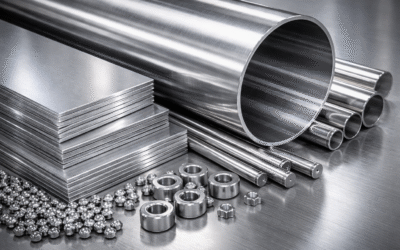
Density of Stainless Steel 304
Stainless steel 304 and 304L are also known as 1.4301 and 1.4307, respectively. Stainless steel 304 is the most versatile and commonly used variety of stainless steel. It was previously known as...
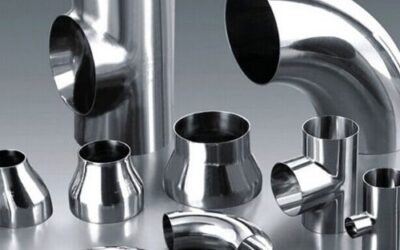
Understanding Incoloy 825’s Chemical Composition and Properties
Incoloy 825 acts as a nickel-iron-chromium alloy due to its remarkable resistance to a wide range of corrosive conditions. This material's unique chemical makeup gives remarkable mechanical...
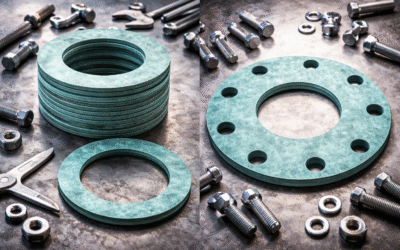
Ring Type Vs Full Face Gaskets
When sealing raised or flat face flanges, there are two gasket shapes available: ring-type and full-face. Each has advantages, so you should choose which is ideal for your application before...
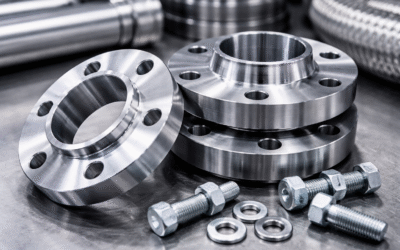
Slip-on Flanges Explained
Slip-on flanges, also known as 'hubbed flanges', include a low-profile hub. This sort of flange is often attached to a pipe with one or two fillet welds (one outside and one inside the flange),...
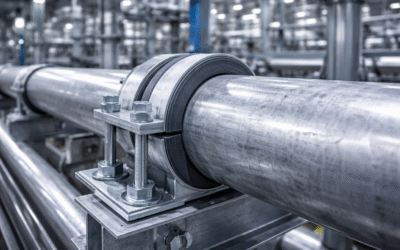
Hidden Role of Pipe Support Areas in Preventing Leaks
In reality, leak prevention is frequently centered on gaskets, flanged joints, and pipe material selection. This attention is necessary, but not sufficient. From an asset integrity standpoint, the...

HDPE Piping, Joining Methods, and Its Role in the Oil & Gas Industry
HDPE (High-Density Polyethylene) pipes are thermoplastic pipes known for: High chemical resistance Flexibility and durability Corrosion-free performance Commonly used for water, gas, slurry, and...
